
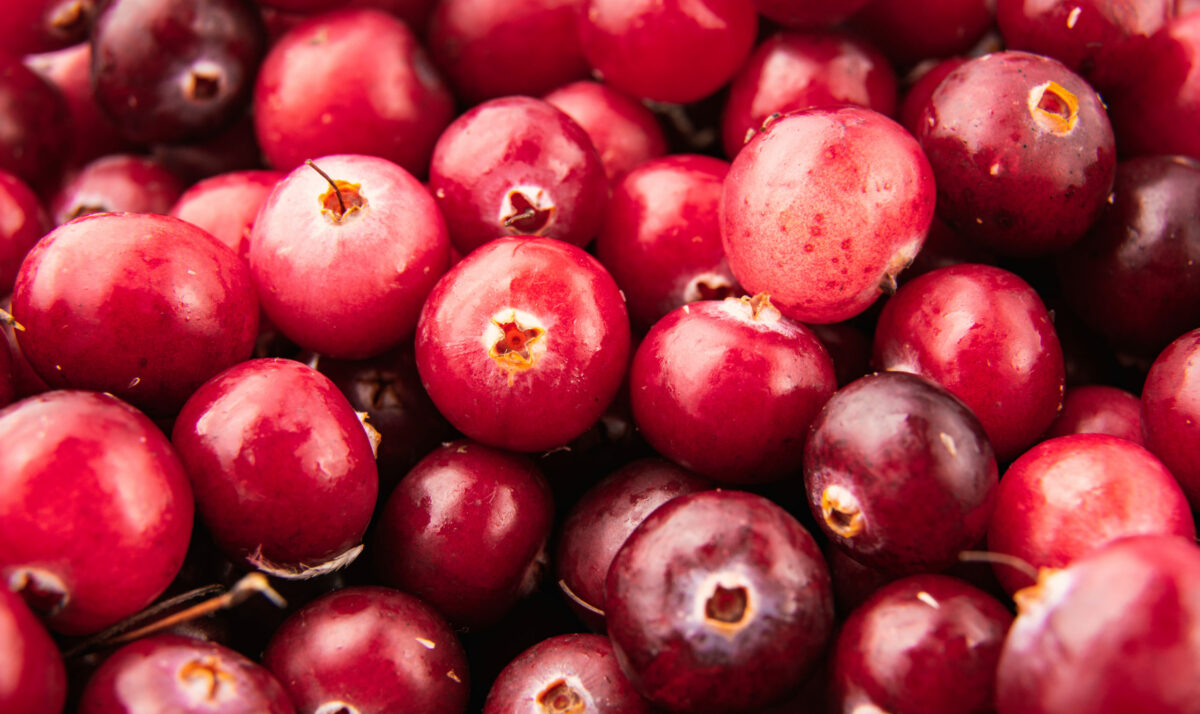
Both the Wisconsin State Cranberry Growers Association and Gov. Tony Evers are voicing concern over the U.S. Food and Drug Administration’s proposed update to the definition of “healthy,” arguing it could hurt Wisconsin farmers by excluding fruits with added sugar.
Gov. Tony Evers sent a letter to the FDA urging the agency to reconsider its definition because of the negative impact it could have on Wisconsin’s cranberry and tart cherry producers.
“By selectively labeling some fruits as ‘healthy’, other fruits such as cranberries and tart cherries will be left out, hurting farmers and consumers across the nation,” Evers wrote. “A misaligned label of ‘healthy’ would put these fruits at a disadvantage to others on the store shelves. This could keep customers from choosing these products without ever reading the nutrition facts or ingredients for themselves in order to make an informed decision.”
Under FDA’s proposed definition, in order to be labeled with the “healthy” claim on food packaging, the products would need to:
- Contain a certain meaningful amount of food from at least one of the food groups or subgroups (e.g., fruit, vegetable, dairy, etc.) recommended by the Dietary Guidelines.
- Adhere to specific limits for certain nutrients, such as saturated fat, sodium and added sugars. The threshold for the limits is based on a percent of the Daily Value (DV) for the nutrient and varies depending on the food and food group. The limit for sodium is 10% of the DV per serving (230 milligrams per serving).
USDA data says last year, processed cranberries accounted for 96 percent of the state’s utilized cranberry production. As part of the processing of cranberries and cherries, sugar is added as needed to meet the needs of the product and expectations of the consumer.
Evers argues in his letter that while sugar may need to be added to these tart fruits due to their lack of naturally occurring sugar, this addition does not eliminate the many health benefits of cranberries and cherries.
According to WSCGA, cranberries are a healthy, low-calorie snack that can prevent urinary tract infections and reduce the risk of gum disease. Cranberry products contain significant amounts of antioxidants that may help protect against heart disease, cancer and other diseases. Cranberries may be beneficial in the prevention of ulcers, which are linked to stomach cancer and acid reflux disease. The fruit also contains hippuric acid, which has antibacterial effects on the body, as well as natural antibiotic ingredients.
“We continue to see growth in the dried cranberry market. I think that success comes from a product that can be eaten straight from the package that also maintains the versatility that we know and love about cranberries to be used in a variety of different food items,” WSCGA Executive Director Tom Lochner told Mid-West Farm Report. “Growers and processers certainly worry that the new definition proposed by the FDA could pose a risk to that consumption and put them at a disadvantage against other dried fruits.”
In his letter, Evers also puts in a good word for tart cherries, noting they are a good source of potassium and fiber to aid in digestion. Read the letter: https://content.govdelivery.com/attachments/WIDATCP/2022/12/28/file_attachments/2365461/GovEversLettertoFDACranberriesCherries.pdf
Leave a Reply