• Skip to primary navigation
  • Skip to main content
  • Skip to primary sidebar
  • Skip to secondary sidebar
  • Skip to footer
  • YouTube
  • Apple
  • Google
Mid-West Farm Report

Mid-West Farm Report

  • Download The App!
  • Madison Farm Team
    • The Farm Report Daily Podcast
  • Eau Claire
    • Bob Bosold and Jill Welke
    • Podcast: Daily Show
    • Podcast: Interviews
    • Thank a Farmer
    • About Bob
    • FFA Air Dates
  • Podcasts
    • The Farm Report Daily Podcast
    • Podcast: Eau Claire
    • World Dairy Expo Coverage
    • Focus On Energy
    • Microbials Matter
    • Rural Mutual Roundtable
  • Century & Sesquicentennial Farm Salute
  • About Us
    • Affiliates
  • Contact
Home » Blog » News » Bee Population Falling
March 14, 2026

Bee Population Falling

July 6, 2021

Share this:

  • Share on Facebook (Opens in new window) Facebook
  • Share on X (Opens in new window) X
  • Share on Pinterest (Opens in new window) Pinterest
  • Share on LinkedIn (Opens in new window) LinkedIn
Bee Population Falling

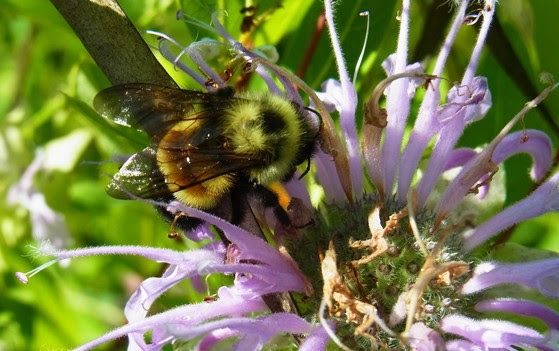
Claudio Gratton is an entomology professor at UW-Madison. He released a study last month that connects declining bee populations to declining crop diversity.

Gratton says Wisconsin bees are expert pollinators important for Wisconsin’s well-known crops, such as cranberries, apples, squash and pumpkins. Bees are also responsible for the state’s stunning wildflowers and flower crops. Without native bees, farms rely on bringing in honey bees to pollinate.

But honey bees are not native to the U.S., Gratton explains. And using just one species of bee is putting all the eggs in one basket. The consequences of this is making national headlines today as honey bee numbers fall. Gratton says only about half of honey bee hives are making it through the winter in Wisconsin.

The solution? Gratton says bringing back crop diversity — a lesson from the history books — can save Wisconsin bees. For example, planting multiple crops on one farm instead of only soybeans or corn. He also says roadside wildflowers and strips of native plants in between fields is something Wisconsin does well for the bees.

Nonfarm folks can also play a role. Apartment dwellers can put out native flowers on their balconies. Landowners can plant native plants in their landscape and practice “no mow May.” More resources can be found here: https://pollinators.wisc.edu/

See Gratton’s study: https://news.wisc.edu/midwest-bumble-bees-declined-with-more-farmed-land-less-diverse-crops-since-1870/

Filed Under: Agribusiness, conservation, Education, Gardening, News Tagged With: Claudio Gratton, entomology, UW-Madison

Share this:

  • Share on Facebook (Opens in new window) Facebook
  • Share on X (Opens in new window) X
  • Share on Pinterest (Opens in new window) Pinterest
  • Share on LinkedIn (Opens in new window) LinkedIn

Reader Interactions

Leave a ReplyCancel reply

Primary Sidebar

Get The Newsletter

Mid-West Farm Report Podcast

Secondary Sidebar

Pam Jahnke

Bob Bosold

Footer

Copyright © 2026 · The Mid-West Farm Report