When we were going into 2023, the general consensus on the farm economy was that farms were starting the year in a good position. Economists predicting growers had enough flexibility in the balance sheet to weather any storms, such as market volatility. As we get started in 2024, the news isn’t as optimistic.
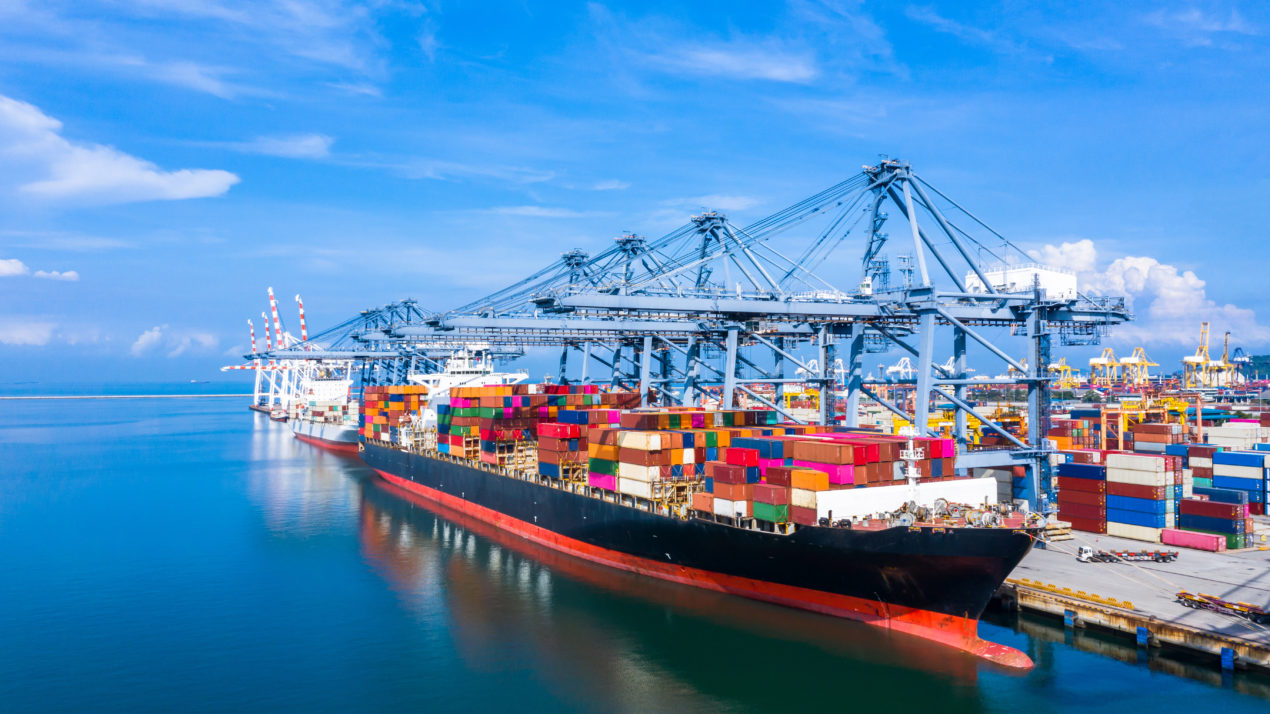
Chad Hart joins us. He’s an economics professor, crop specialist and market economist out of Iowa State University. He walks us through some of the challenges that face corn, beans, and the general agricultural supply chain. The general theme: demand needs to be stronger internationally in order for producers to see better prices in 2024.
With a larger than expected corn supply, U.S. corn needs to find a place for that corn to grow.
“The challenge is demand. It’s trying to figure out how we’re going to utilize all of this corn throughout not only the nation, but the world,” he says. “We tend to feed a lot, but we’ve seen some shrinkage in our cattle herd. When we look at the ethanol picture, well, that’s been hit and miss over the last few years. And the last piece tends to be our international markets, that’s where we’ve seen the biggest pull back.”
He says U.S. commodity organizations need to look both domestically and internationally for market opportunities.
“On the case of the soybean side, for example, there’s been this big push to create more crushing facilities with an eye toward renewable diesel,” he says. “When it comes to our international markets, what we’re looking for there is: we’ve dealt with our big customers, where are those smaller customers that could represent more tremondous growth?”
He says there’s concentration toward southeast Asia, south of China, such as Malaysia and Vietnam.