With $50 million now on the table, the U.S. Department of Agriculture (USDA) is rolling out new grant and loan programs to help small meat plants expand and train their workforce across Wisconsin.
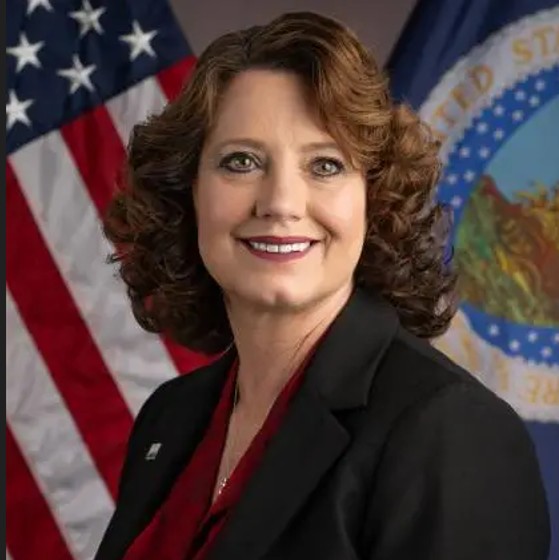
Small Wisconsin meat processors have new federal support on the horizon. Dr. Mindy Brashears, USDA Under Secretary for Food Safety, outlined the agency’s new grant and loan programs in an interview with the Mid-West Farm Report’s Larry Lee.
“We are offering financial assistance to the states so that they can support these programs and expand them, and that could be pass-through money that passes through to the different entities in the state if they need a new piece of equipment, or something like that,” Brashears explained. “And then, we’re also standing up training programs. There’s a lack of technical assistance for our small and very small plants, and we’re going to be working with university extension programs, trade associations, so that our small plants can have technical assistance at their fingertips.”
Funding targets the skilled labor shortage
The funding targets a major bottleneck in the industry: the skilled labor shortage. States can use pass-through dollars to back local workforce development programs.
“The grant funding not only will help expand the opportunity to access inspection, it also has a workforce development component, so if the state needs that and wants to expand that, and within our university program or extension outreach, we want to develop even more of those workforce programs because that’s been identified as a big need by these small processors,” Brashears said. “People just don’t know or have the skills to work in a plant, so we want to train them so we have highly-trained employees to make the best product possible.”
FSIS is currently preparing to distribute the funds to individual state programs.
“Right now, everything is located at USDA at the federal level until we get the money out to the states. Different things that are available like the Impact Grants that we had a few months ago for the small plants, that’s always going to be located at the federal level. We’re about to roll out some new loan opportunities for expansion, renovation, new equipment. That will be located at RD (Rural Development) within USDA, so you need to keep an eye on USDA right now. Eventually, some of that will be going through the state,” Brashears said.
Funding and regulation announcements on the way
50-million dollars is now available for the training and state programs, but FSIS is awaiting a funding announcement on the new loan programs.
Under a presidential executive order, FSIS is updating regulations and streamlining safety inspections, though food safety remains the top priority.
“What we’ve been talking about is there’s a lot of regulations that are outdated, a lot of paperwork and red tape that really don’t impact the safety of food, so we’re going to make sure that we maintain or even improve the safety of our food supply, and get rid of the things that are distracting and have nothing to do with food safety,” Brashears explained. “Ultimately, that will make a safer food supply because the focus is on food safety and not paperwork or outdate d regulations that are really meaningless.”
Brashears highlighted Wisconsin as a leader in expanding capacity through its Meat Talent Development Program, state grants, and dual inspection paths that open doors to out-of-state markets.
Leave a Reply