
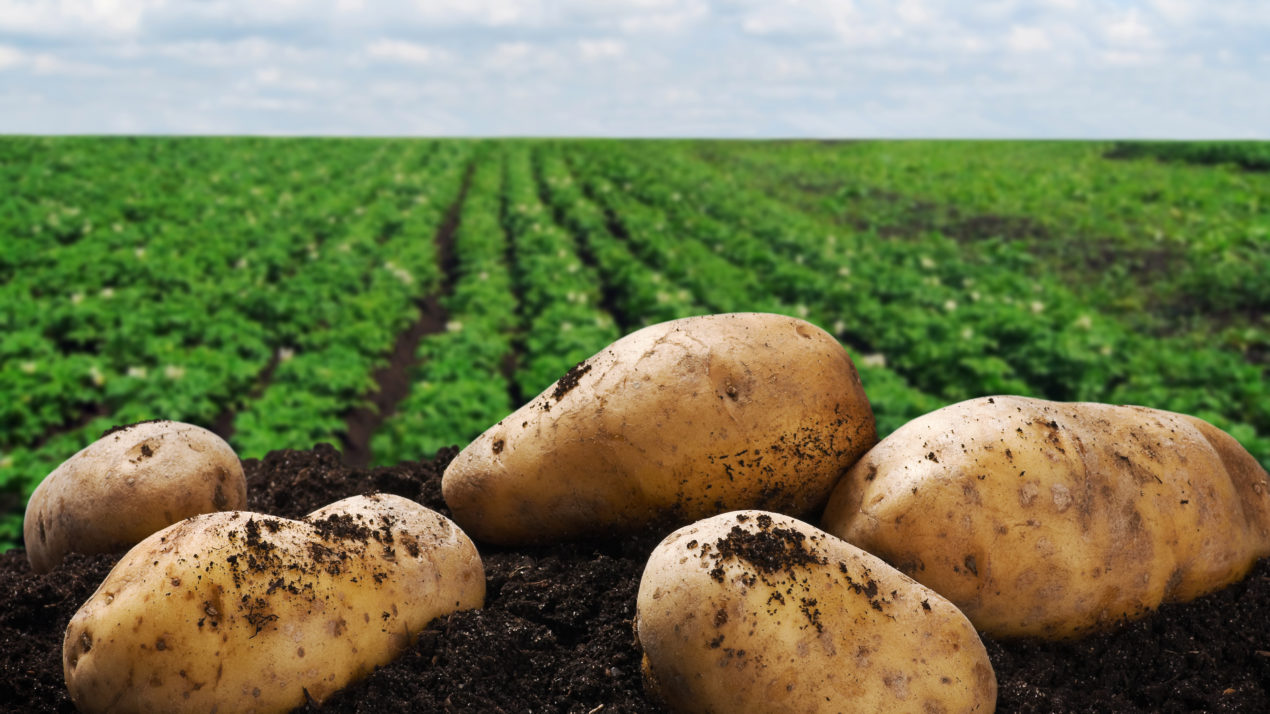
Specialty crop growers across the state will be getting a $1.5 million boost to help improve production, address growing challenges, and find new markets for your crops. Officials with the U.S. Department of Agriculture (USDA) just announced the funding. It is part of a larger $86.6 million investment in specialty crops nationwide.
Wisconsin’s piece — $1,500,033.33 will support 14 projects ranging from research, to education, marketing, and expanding opportunities to support specialty crop growers.
Where will Wisconsin’s money go?
The Wisconsin Department of Agriculture, Trade and Consumer Protection (DATCP) will oversee the funding and work with grant recipients on projects across the state.
The 14 projects include:
- 6 research projects to help improve specialty crop production.
- 4 education and outreach projects to share information with growers and communities.
- 1 marketing project to promote specialty crops.
- 3 projects combining multiple focus areas to strengthen the industry.
Crops identified in Wisconsin’s projects include potatoes, carrots, beets, hazelnuts, and rhubarb.
Find more information on the state grants here.
Helping Wisconsin farmers stay competitive
Specialty crops are an important part of Wisconsin agriculture, from large vegetable operations to smaller farms supplying local markets. The grants are designed to address challenges growers face, support research and development, and create more opportunities to sell state-grown products.
Some projects will focus on improving how crops are grown, while others will help educate producers or increase consumer access to specialty crops. The goal is to help Wisconsin farmers remain competitive while supporting the state’s agricultural economy.
Part of a nationwide investment
Wisconsin’s $1.5 million award is part of USDA’s Specialty Crop Block Grant Program, which is distributing $86.6 million to approximately 609 projects across 56 states and territories.
The program supports growers of fruits, vegetables, tree nuts, and other specialty crops through research, food safety improvements, education, and marketing.
Learn more about all of the projects, including those in Wisconsin, here.
Leave a Reply