USDA Offers Disaster Assistance to Wisconsin Farmers Impacted by Drought
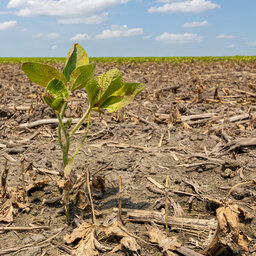
Recent drought conditions have severely impacted Wisconsin’s agricultural operations. To support recovery, the U.S. Department of Agriculture (USDA) provides technical and financial assistance to affected farmers and livestock producers.
“We know current drought conditions are adversely impacting crops, land, water supplies, and livestock, creating financial and emotional strain for the farmers and ranchers we serve,” said Farm Production and Conservation Under Secretary Richard Fordyce. “I encourage producers to stay in close contact with their local USDA Service Center to report losses and damages and learn more about the many program options we have available to assist them in building drought resiliency and navigating drought recovery.”
Livestock and Crop Assistance Programs
Livestock Forage Disaster Program (LFP) The 2026 LFP compensates livestock producers for grazing losses on privately owned or cash-leased land.
Eligibility: You must own, lease, or contract-grow eligible livestock; provide grazing land when the drought began; and certify your grazing loss.
Eligible Pasture Types: Native Pasture (Grass NAG), Annual Ryegrass, Forage Sorghum, Full Season Improved Pasture, and Full Season Improved Mixed Pasture.
Eligible Counties: Ashland, Bayfield, Burnett, Douglas, Iron, Oneida, Pepin, Pierce, Price, Rusk, Sawyer, St. Croix, Vilas, and Washburn.
Action Required: Submit an acreage report for claimed land. Leased acres require a written lease or Annual Lease Certification (CCC-855).
Deadline: Apply by March 1, 2027.
Emergency Assistance for Livestock, Honeybees, and Farm-Raised Fish Program (ELAP) ELAP compensates producers for the above-normal costs of hauling water and feed, or transporting livestock to new grazing acres. It also helps commercial apiarists purchase short-term feed for honeybees.
Eligible Counties: Ashland, Bayfield, Burnett, Douglas, Forest, Green, Iron, Lafayette, Langlade, Lincoln, Marathon, Marinette, Menominee, Oconto, Oneida, Pepin, Pierce, Portage, Price, Rusk, Sawyer, Shawano, Vilas, Washburn, and Waupaca. (FSA updates this list every Thursday).
Deadline: Submit a notice of loss and payment application by March 1, 2027.
Tree Assistance Program (TAP) TAP provides cost-share assistance to orchardists and nursery tree growers to replant or rehabilitate eligible trees, bushes, or vines. This program complements standard crop insurance, which often covers the crop but not the plant itself.
Deadline: Apply within 90 days of the disaster event or the date the loss becomes apparent.
Farm Loans and Servicing
The FSA offers direct and guaranteed farm loans, including low-interest emergency loans for producers in disaster-designated counties.
Loan Uses: Replace essential property, purchase inputs (livestock, equipment, feed, seed), cover living expenses, or refinance farm-related debts.
Servicing Options: Borrowers unable to make scheduled payments due to circumstances beyond their control can access various loan servicing options.
Risk Management and Reporting
Producers must report crop damage promptly to maintain coverage:
NAP Coverage (including native grazing grass): File a Notice of Loss (CCC-576) with your local FSA office within 15 days of noticing the loss (or 72 hours for hand-harvested crops).
Federal Crop Insurance: Report damage to your agent within 72 hours of discovery, and follow up in writing within 15 days.
Conservation and Land Resiliency
The FSA and Natural Resources Conservation Service (NRCS) offer several programs to restore land and build future drought resiliency:
Emergency Conservation Program (ECP): Funds emergency water conservation measures, including livestock watering and orchard irrigation systems.
Emergency Forest Restoration Program (EFRP): Helps landowners restore damaged nonindustrial private forest acres.
Conservation Reserve Program (CRP): The USDA may authorize emergency haying and grazing on CRP acres to provide livestock relief. Emergency grazing can continue during the primary nesting season with a 50% stocking rate reduction in LFP-eligible counties.
Environmental Quality Incentives Program: Provides financial help for implementing long-term conservation practices to prevent wind erosion and forage loss.
U.S. Drought Monitor
The USDA uses the weekly U.S. Drought Monitor (USDM) to determine eligibility for programs like LFP and ELAP, and to fast-track secretarial disaster designations. The USDM relies on environmental data and firsthand reports. You can contribute your own observations using the Condition Monitoring Observer Report system or by emailing [email protected].
Learn More
For complete details and disaster assistance resources, visit farmers.gov. Available tools include the Disaster Assistance Discovery Tool, the Loan Assistance Tool, and disaster fact sheets. FarmRaise also offers an FSA educational hub with an ELAP decision tool.
Next Steps: Contact your local USDA Service Center for FSA and NRCS programs, or reach out to your crop insurance agent for help filing a claim.
Leave a Reply