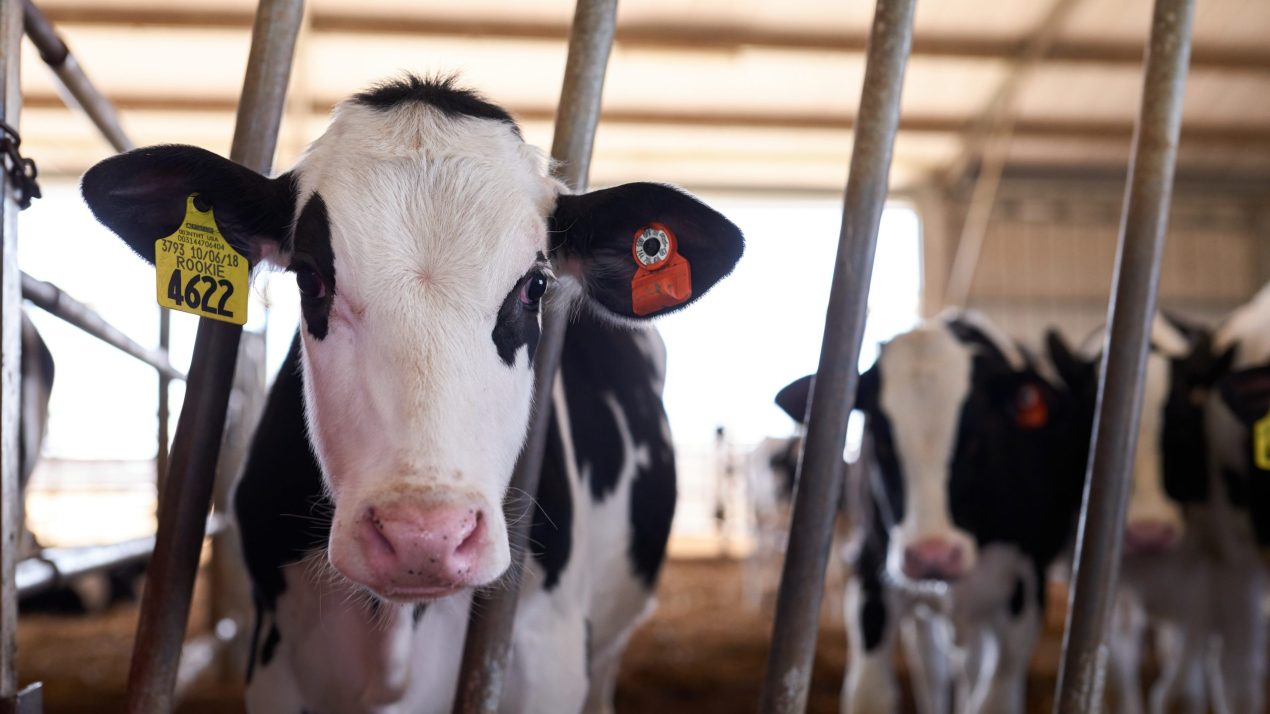
From birth, replacement calves are a valuable yet vulnerable part of the dairy operation. However, continuous calfhood research suggests that a calf’s immunity and health are tied to their digestive system. Dr. Jill Soderstrom, a Dairy Young Animal Solutions Specialist with Land O’Lakes, joins us to talk about why a calf’s gut microbiome may be the hidden driver of long-term health and success on the farm.
The Gut as the First Line of Defense
Housed in the small intestine, the gut microbiome is a mix of both beneficial and harmful bacteria, along with fungus and protozoa. Because the digestive tract is technically exposed to the outside environment (think of it like the hole of a donut), it functions as the calf’s first line of defense against disease.
Dr. Soderstrom reminds us that:
- An estimated 70% to 80% of a calf’s immune cells live directly in the gut lining.
- The lymph tissue acts as a training center for the calf’s naive immune system.
- Live bacteria in the gut help teach that immune system to tell the difference between helpful cells and harmful invaders, like salmonella.
- Byproducts such as butyrate help hold tight junctions together, maintaining overall gut integrity.
In other words, a healthy gut isn’t just about digestion, but it’s about building an immune system that can recognize and respond to threats for the rest of the animal’s life.
Fueling Internal Growth
It’s easy to think of nutrition purely in terms of size and weight gain, but proper feeding does far more than grow a bigger calf. It fuels critical internal development.
- Milk replacer supplies the calories needed to grow the calf’s organs, rumen, and gut tissue.
- Developing immune cells require significant amounts of protein and glucose simply to grow and function properly.
Skimp on nutrition early, and you’re not just slowing growth — you’re limiting the resources available to build a functioning immune system.
Three Strategies for Optimal Management
To protect that return on investment while keeping costs reasonable, Dr. Soderstrom points to a few key management practices in a calf’s earliest days of life.
- Day One Colostrum Deliver nearly 300 grams of IgGs within the first 8 to 12 hours of life. This window is critical as absorption rates sharply decline after 12 hours. Without an adequate amount of IgGs, a calf can struggle to develop passive immunity.
- Post-Day One Colostrum Don’t stop at day one. Continuing to feed colostrum at a lower level beyond the first day further supports gut development and immune function.
- Early Weigh-Ins Weigh calves at one, two, or three weeks of age to confirm they’re gaining weight as expected. Calves that aren’t growing simply don’t have the calories available to support both physical growth and immune defense — weight checks catch that problem early, before it becomes costly.
Long-Term Dividends
Starting calves off right may be the single greatest window farmers have to shape an animal’s future performance. Proper early nutrition and microbiome support pay dividends well beyond the calf barn — contributing to better mammary gland development in replacement heifers, and improved muscle tissue and marbling in crossbred calves headed to market.
If you’re looking to fine-tune your calf-raising protocols, reach out to a Land O’Lakes Animal Milk Solutions Specialist or a Purina technical representative.
Leave a Reply