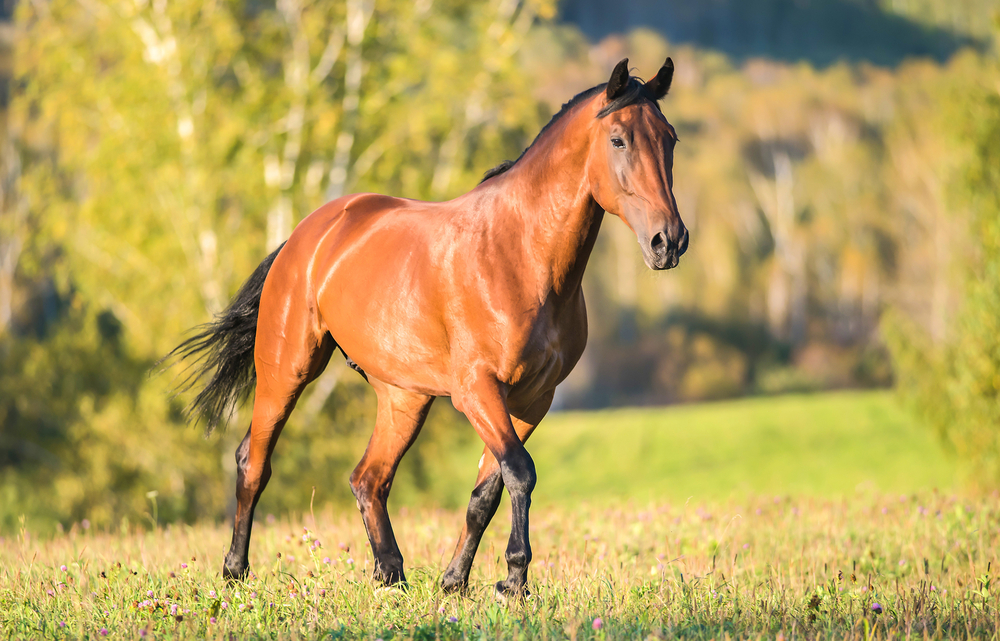
A 4-year-old mare in Portage County is Wisconsin’s first confirmed equine case of Eastern Equine Encephalitis (EEE) this year. In response, the Wisconsin Department of Agriculture, Trade and Consumer Protection (DATCP) urges horse owners to vaccinate their animals immediately.
Last year, DATCP documented only one EEE case in horses. Residents can view an online map of the 2025 arbovirus cases on the DATCP website.
Symptoms and Risks EEE and West Nile Virus (WNV) cause encephalitis, an inflammation of the brain. Symptoms of EEE in horses include altered mentation, impaired vision, head pressing, circling, inability to swallow, lack of coordination, and seizures. Owners often find sick horses on the ground, unable to stand. The virus is fatal in most horses that show signs of illness. Equine owners must contact a veterinarian immediately if they observe these symptoms.
Transmission Mosquitoes pass the EEE virus from birds to both humans and horses. The virus does not pass directly between horses and humans; a mosquito bite is the only route of transmission. The threat peaks when mosquitoes are most active, typically from mid-summer until the first hard frost. This positive case confirms that EEE-infected mosquitoes are currently active in Wisconsin.
Vaccination DATCP strongly encourages owners to discuss the EEE vaccine with their veterinarian. The American Association of Equine Practitioners (AAEP) considers EEE and West Nile Virus vaccines part of their core protocol. This means all horses need these vaccines, regardless of their activity level. Unvaccinated adult horses require two initial doses, followed by annual boosters.
Mosquito Prevention Tips In addition to vaccinating, DATCP advises owners to limit their horses’ exposure to mosquitoes:
Remove items that collect stagnant water, such as old tires, buckets, and unused troughs.
Keep rain gutters draining properly.
Turn wading pools and wheelbarrows upside down when not in use.
Clean and chlorinate pools, outdoor saunas, and hot tubs, and drain water from pool covers.
Empty and replace the water in birdbaths at least once a week.
Keep horses in the barn from dusk to dawn when mosquitoes are most active.
Find more information on EEE at: DATCP EEE & WNV Information.
Leave a Reply