Consumer thirst for high-protein products like sports shakes is forcing a drastic shift in U.S. milk production.
CoBank economist Corey Geiger notes a growing gap in milk composition. Over the last decade, butterfat content jumped up to 15%, while protein grew only 7.5%.
“The issue is we have more variation in the dairy cattle population genetics on butterfat, so we can move it higher faster. Also, there are more economic tools or what I would call tools in the nutrition toolbox, to improve butterfat content, talking highly oleic soybean, palm kernel oil, and other things we can feed. There aren’t just as many economical tools in the toolbox. In fact, 72% of the gain in that last decade on protein has been genetics.”
Farmers know how to boost butterfat. However, raising protein levels also increases butterfat production. This dynamic creates a persistent surplus challenge for dairy processors.
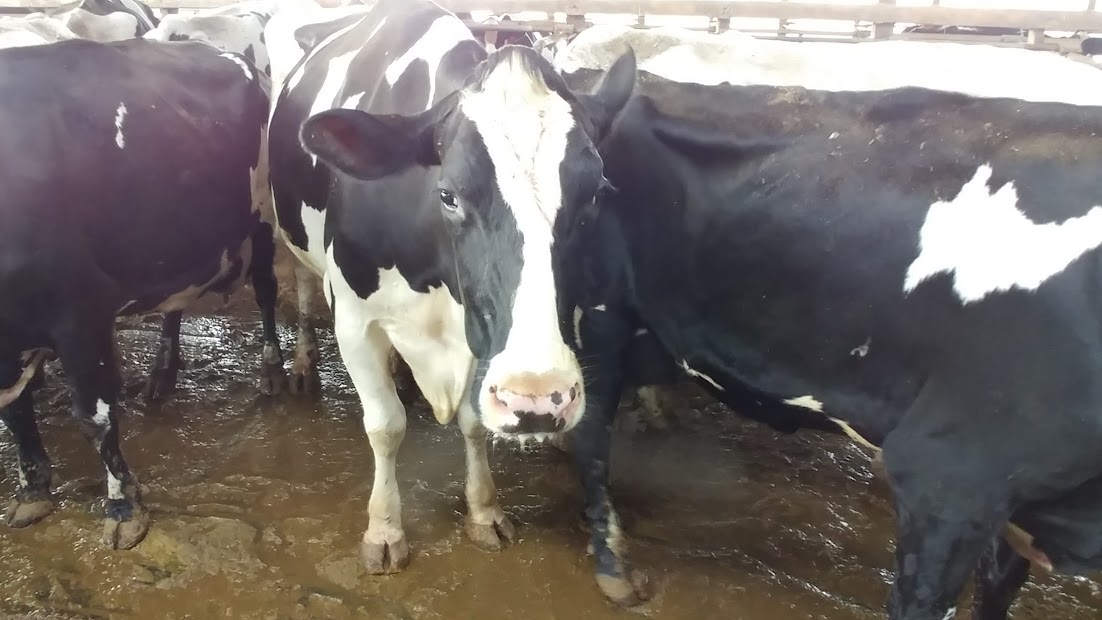
Geiger also worries about the ripple effects of the booming beef-on-dairy trend. High-value beef calves—often selling for over $1,200—provide a new income stream that offsets lower milk checks. Consequently, farmers keep cows in the milking herd much longer.
“It’s the first time I’m asking this question out loud: will we see ten million dairy cows in this country by sometime in 2027? I think that’s on the menu board now. If beef prices keep trickling down here, we won’t see it.”
With the traditional beef cow herd at its lowest since 1961, dairy operations are stepping in to fill the meat void.
“One out of five pounds of beef in this country either comes from a dairy cow or a calf she gave birth to, you know, as a steer or feedlot animal, but with the lowest beef cow herd since 1961, that ratio is going up. You know, that may trickle up to 24-25 percent. That’s a pretty big number.”
Consumer beef prices dropped slightly over the past 60 days. Geiger cites the Trump administration’s move to import more ground beef and reopen the southern border with Mexico as key factors. Despite the price dip, the dairy herd’s underlying transformation continues.
“There’s a part of our older dairy cow herd that’s really becoming a cow-calf operation. These cows are being kept for the calves they carry, and that’s driving the herd up and milk production up, so we have to find more outlets for that.”
Leave a Reply