The U.S. dairy industry is experiencing lower-than-usual commodity cheese prices, but one producer is betting on long-term growth driven by consumer demand for protein and significant industry investment. The current market is seeing prices dip despite the typical holiday season rally: https://www.midwestfarmreport.com/2025/12/04/its-the-holidays-so-why-is-the-dairy-complex-cratering/
Kim Heiman of Nasonville Dairy in Marshfield says the government shutdown exacerbated the effect, when the commodity cheese trade didn’t have market transparency.
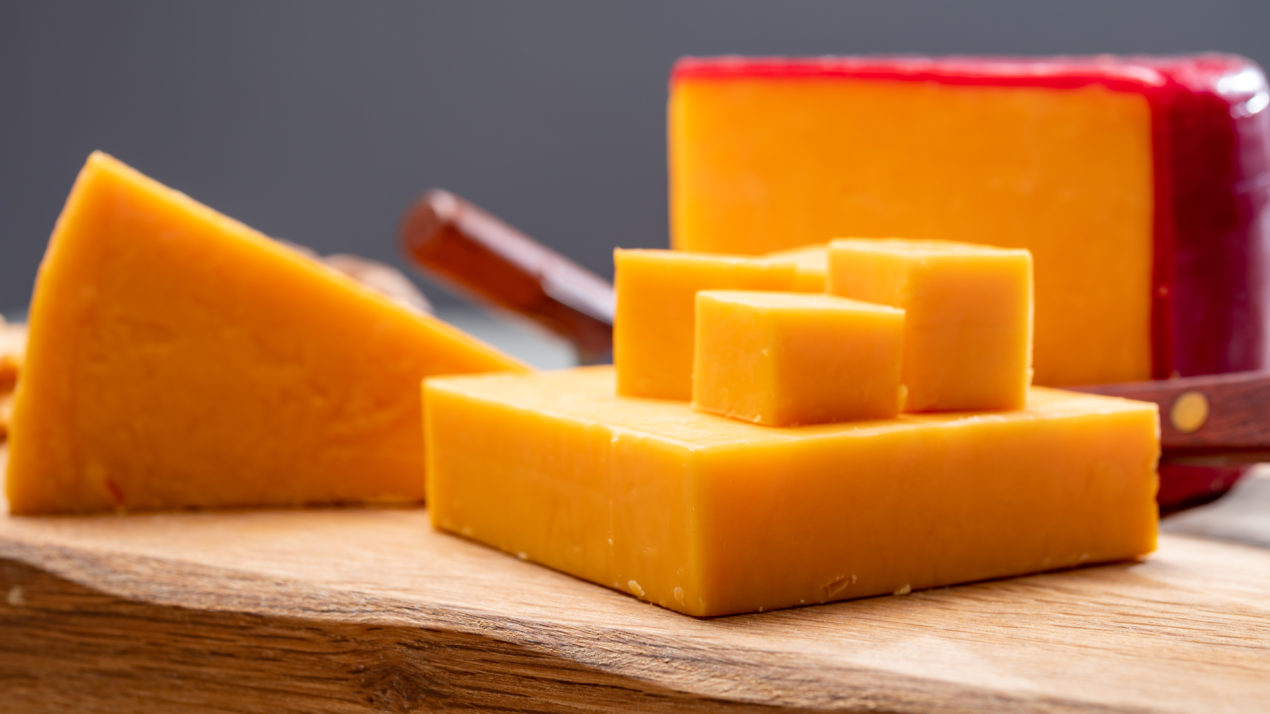
“What happens is that commodity cheese, it’s a very high-quality cheese, and it’s generally a colored cheddar, and it’s produced at large quantities, and it’s marketed through the Chicago Mercantile Exchange at large volumes,” Heiman tells Mid-West Farm Report. “When the government shutdown was on, of course, there was no commodity facts coming out of how much cheese was in storage or how much cheese was being processed.”
The lack of information left buyers and sellers in a state of risk. For many smaller operations like Nasonville Dairy, market diversity is essential for survival. They balance the highly competitive commodity market with more profitable, artisanal cheese production.
The difference lies in volume and technique, Heiman explains. Commodity cheese is a high-quality, large-volume product, but artisanal cheeses, like wedges and specialty varieties, require specific, smaller-quantity production.
This variety is crucial for a processor’s bottom line. The artisanal side often makes up the majority of the business for Nasonville Dairy. It allows them to compete against larger plants that can process milk cheaper due to their volume and efficiency.
Despite short-term volatility, the future of the dairy sector looks bullish for Heiman. The industry sees an asset in the consumer trend toward higher protein in diets. Processors across the country are investing, with an estimated $11 billion expansion planned for U.S. dairy capacity in the coming years, Heiman references. Nasonville Dairy, for example, is currently undergoing its own expansion with new equipment and a raw milk intake system.

Leave a Reply