
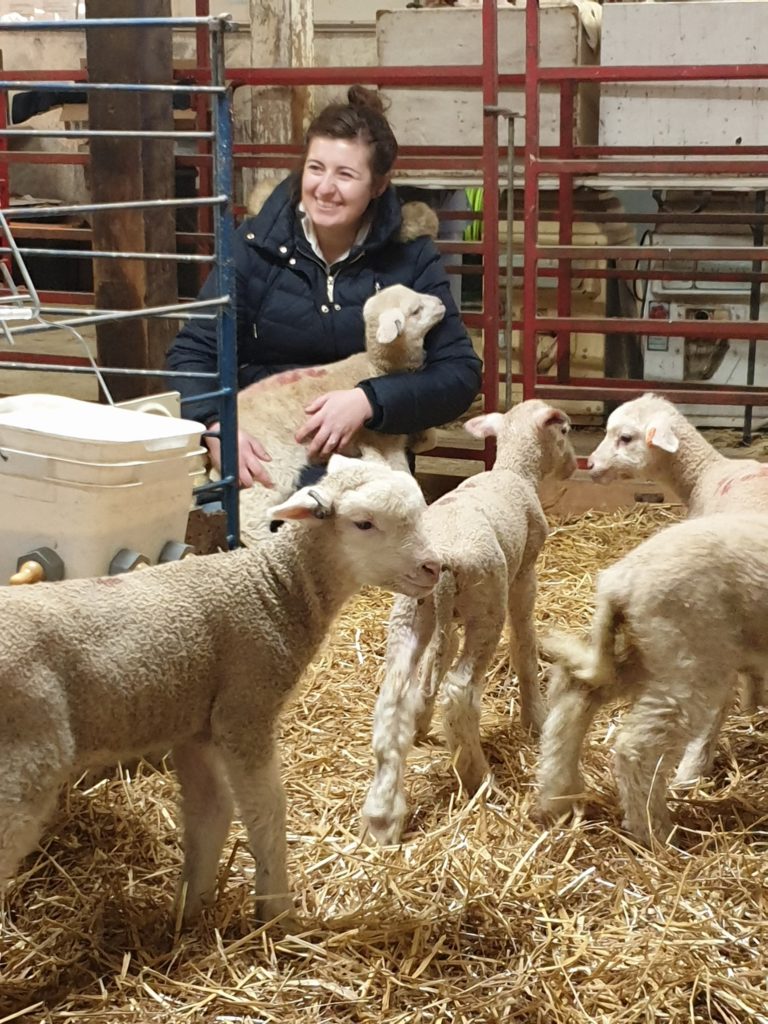
The sun stays out longer and the weather is warming up. Those are signs of spring. Looking for another? It’s lambing season at the Sheep Unit in Arlington!
Lambing season starts in mid-January and goes through March. It’s labor intensive work. Sheep Unit Director Todd Taylor has spent sleepless nights in the barns making sure the ewes and their new lambs are starting off on the right foot.
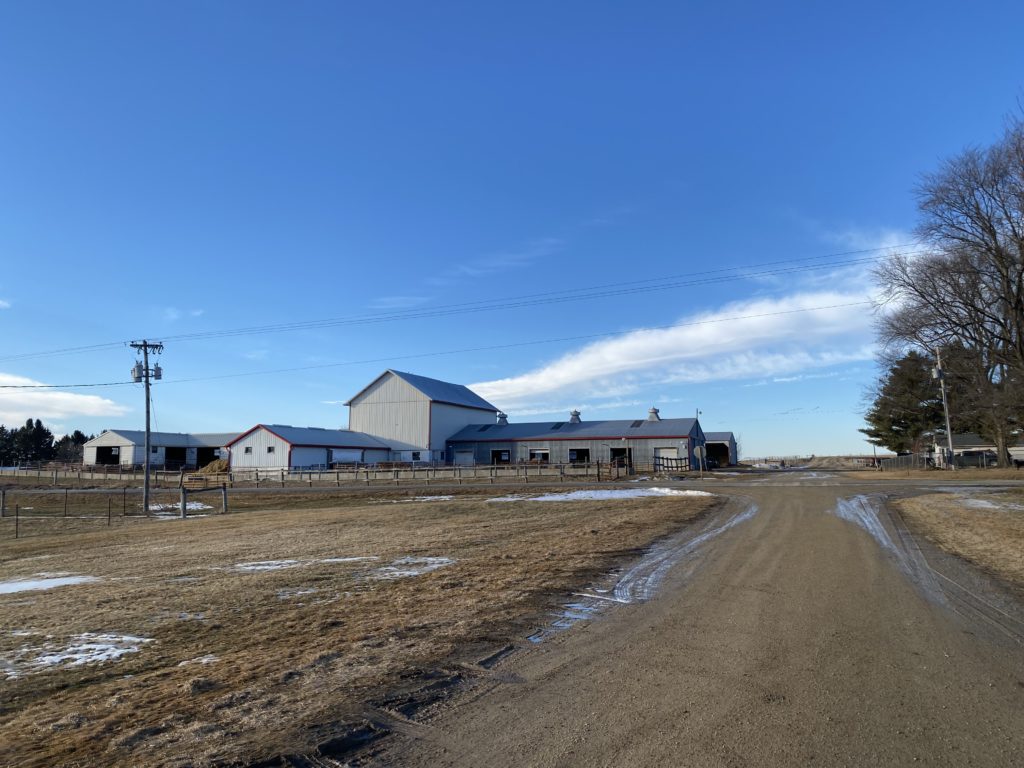
The Sheep Unit is a part of the Arlington Agricultural Research station. It consists of 50 acres and two main barns which house roughly 300 head of mature ewes. The current flock consists of Hampshires, Targhees, Polypays and some Rambouillets. These sheep are used for teaching and extension, as well as research geared towards improving production genetics and reproductive techniques. In addition, sheep bred through these programs are exhibited and consigned to numerous state and national shows and sales annually.
The unit is considerably down on ewe numbers after budget cuts and retirements, explains Taylor. However, researchers are coming in and utilizing sheep for research, which he says may justify growing the herd.
The unit expects to lamb out close to 200 ewes this spring. They lambed out roughly 50 this fall. Lambing season in Arlington differs from commercial flocks, which lamb later in the spring. Taylor explains lambing in the early spring allows the university lambs to be a part of research and teaching because students are on campus.
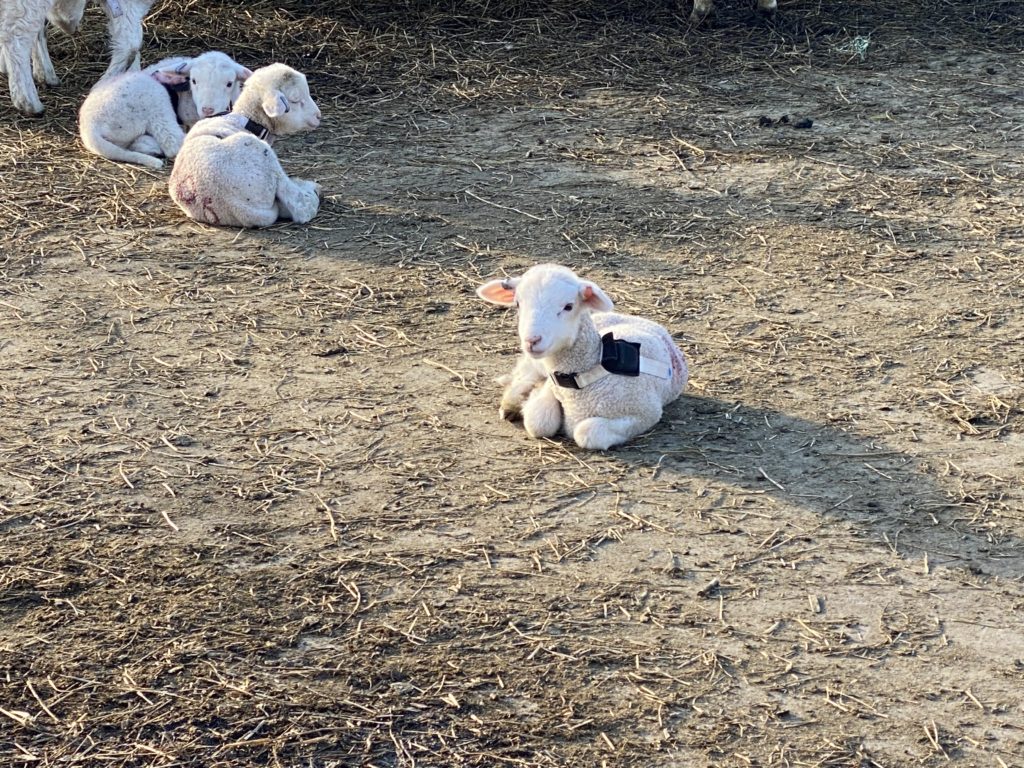
The research currently happening at the unit include a long-term epigenetics project in rams, and animal welfare and behavior project. The behavior project includes tracking lambs and their moms and mapping out their movements throughout the day. Taylor notes the dairy science department can utilize sheep for introductory research which is more economically friendly and quicker than with dairy cattle.



“We still do a phenomenal amount of extension and outreach, not so much teaching anymore, I’m hoping that that will build back up as well,” Taylor says. “We still do some teaching with partnerships through the Vet School and through MATC.”
And speaking of partnerships, Wisconsin Veterinary School students have the opportunity to volunteer at the Sheep Unit. Students take turns signing up for four-hour shifts to help during lambing season. One of those students is Emily Massie. She shares her experience with Stephanie Hoff:
It turns out that barn chores compliment veterinary school. Appleton native Lindsey Wichman is a first-year student at the UW School of Veterinary Medicine in Madison. While she pursues a veterinary career, she also volunteers at the UW Sheep Unit in Arlington. During lambing season, this experience keeps her on her toes. She explains why this volunteer opportunity works for her:
The Sheep Barn was not immune to workforce strains and high input costs. But Taylor says the market for lamb is great, noting record-high lamb prices.
“The demand for our product is there, it’s the matter of finding the resources to get it to the consumers that’s been the challenge,” he says.
In other headlines, Taylor is not aware of the Russia-Ukraine situation impact the U.S. sheep market yet.
Looking ahead, Taylor is optimistic for growth in outreach, research and education this year. He says participation is good — and even growing — for sheep industry events and outreach from sheep sheering to the Wisconsin Sheep and Wool Festival.

Leave a Reply