• Skip to primary navigation
  • Skip to main content
  • Skip to primary sidebar
  • Skip to secondary sidebar
  • Skip to footer
  • YouTube
  • Apple
  • Google
Mid-West Farm Report

Mid-West Farm Report

  • Madison
  • Eau Claire
  • 2026 Wisconsin Century & Sesquicentennial Farm Salute
  • Podcasts
  • Videos
Home » Blog » Agribusiness » Livestock feed prices respond to the pressure of rising commodity markets
August 11, 2026

Livestock feed prices respond to the pressure of rising commodity markets

May 17, 2021

Share this:

  • Share on Facebook (Opens in new window) Facebook
  • Share on X (Opens in new window) X
  • Share on Pinterest (Opens in new window) Pinterest
  • Share on LinkedIn (Opens in new window) LinkedIn
Livestock feed prices respond to the pressure of rising commodity markets

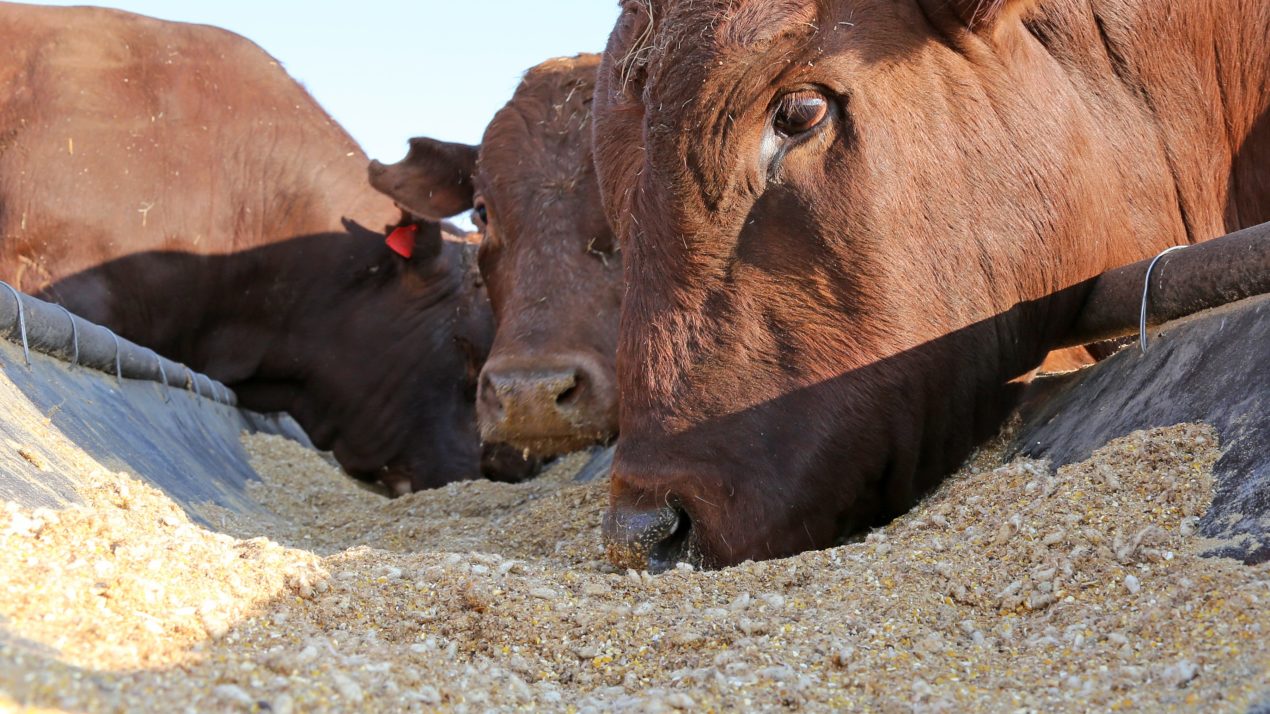
We continue to see strong and rising corn and soybean markets throughout this spring. Livestock producers are now questioning how these commodity prices will affect the price of purchased livestock feed. Casey Lobdell, Livestock Nutrition Consultant, from Mineral Point, Wisconsin had some answers to this question, as well as some solutions producers can consider to help protect their bottomline.

No matter what type of livestock being fed, corn and soybeans are very important ingredients no matter the ration. Lobdell recognized that although alternative ingredients can sometimes be an option, their prices are climbing as well. And possibly even more concerning than price is availability of feed and grain. “We might see some pretty tight supplies of corn, soybeans, soybean meal and other commodities through the summer before we get to new crop harvest,” Lobdell mentions.

Lobdell suggests that now is a critical time to make sure feed tests are up to date, to focus on reducing shrink and feed waste and to ensure all those involved with the operation are on the same page as far as livestock management. Working with local nutritionists, producers can stay on track to reduce feed costs and focus in on management practices to alleviate other hidden costs.

Looking forward, Lobdell mentions that this summer’s weather and growing season will play a major factor into where commodity and feed prices will go from here. He says it is hard to predict whether prices will rise or fall at this point, but inventories of feed this fall will end up pushing prices one way or the other.

Filed Under: Agribusiness, Commodities, Dairy, Grain, Livestock, News Tagged With: Casey Lobdell, commodity prices, corn, Livestock, Livestock feed, Livestock nutritionist, soybeans

Share this:

  • Share on Facebook (Opens in new window) Facebook
  • Share on X (Opens in new window) X
  • Share on Pinterest (Opens in new window) Pinterest
  • Share on LinkedIn (Opens in new window) LinkedIn
mm

About Pam Jahnke

Getting up at 2 in the morning might shock some of her listeners, but for Pam Jahnke, it’s part of the business. Born in Northeastern Wisconsin, Pam Jahnke grew up in agriculture. Raised on her family’s 200-acre dairy farm, she learned the “farm work ethic” first hand.

Reader Interactions

Leave a ReplyCancel reply

Primary Sidebar

Win a Pallet of Busch Light!

Get The Newsletter

Mid-West Farm Report Podcast

Secondary Sidebar

Pam Jahnke

Bob Bosold

Footer

Copyright © 2026 · The Mid-West Farm Report